A .gov website belongs to an official government organization in the United States.
Secure .gov websites use HTTPS
A lock () or https:// means you've safely connected to the .gov website. Share sensitive information only on official, secure websites.
2025 News & Events
Bronze medal awarded to research team for SABRE
21 September 2025
The highest honor award granted by the Under Secretary of Commerce for Oceans and Atmosphere, the Department of Commerce Bronze Medal, recognizes federal employees for superior performance and is awarded to individuals, groups (or teams), and organizations.
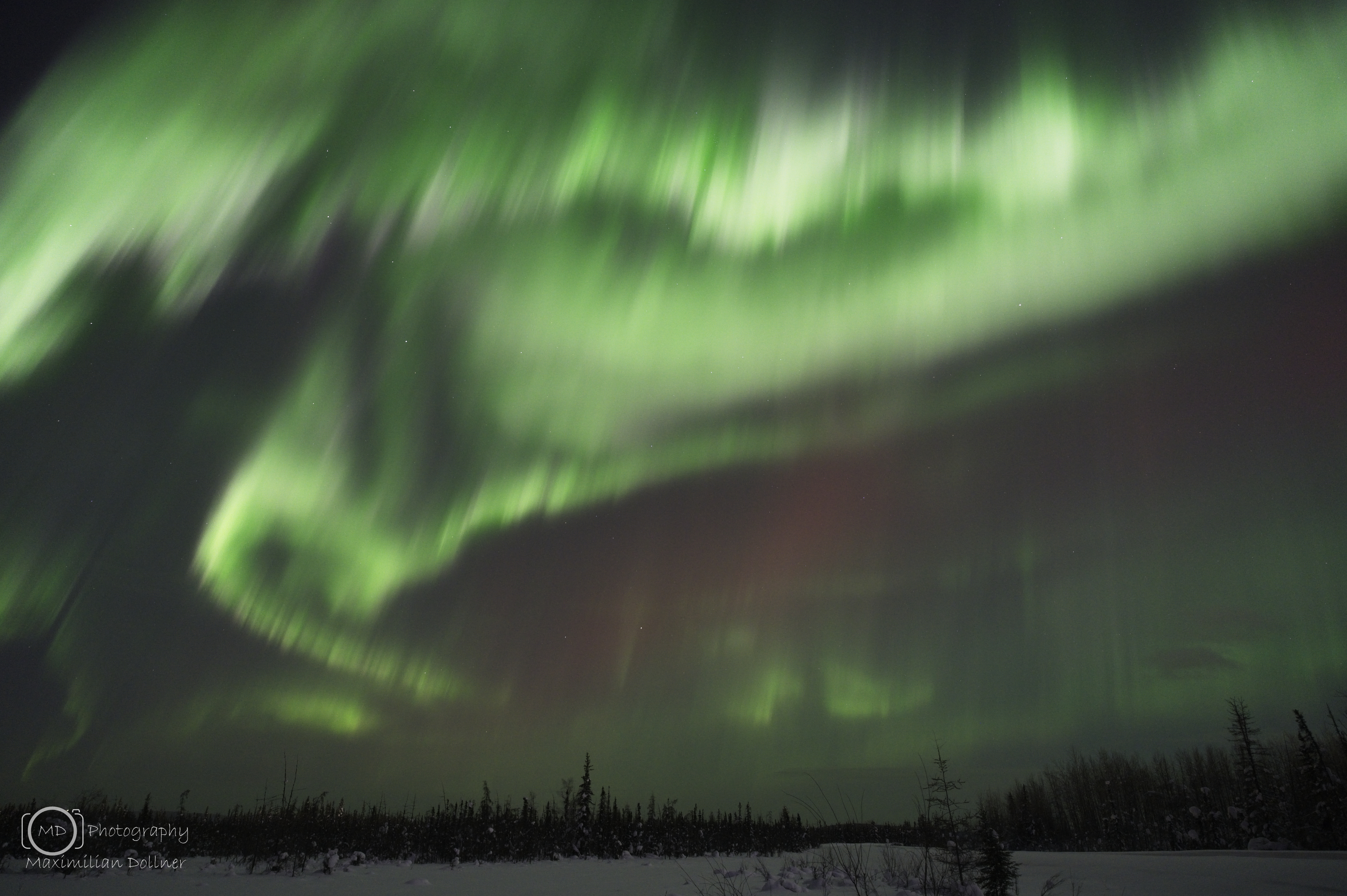
Aurora activity from Eielson Air Force Base in Fairbanks, Alaska during the SABRE 2023 Arctic deployment. Photo: Maximilian Dollner, University of Vienna
The NOAA Stratospheric Aerosol processes, Budget and Radiative Effects (SABRE) 2023 deployment was the first fully NOAA initiated, funded, organized and led stratospheric airborne science mission and was both the culmination of years of effort and the first in a multi-year, multi-deployment project.
The team is honored for its remarkable accomplishments in conceiving, planning and executing the 2023 NOAA SABRE airborne science mission. It deployed new instrumentation and collected a remarkable dataset that is already producing meaningful results that change the atmospheric science community's understanding of chemical and physical processes occurring in the stratosphere and will contribute to improving NOAA Earth system modeling in the years to come.
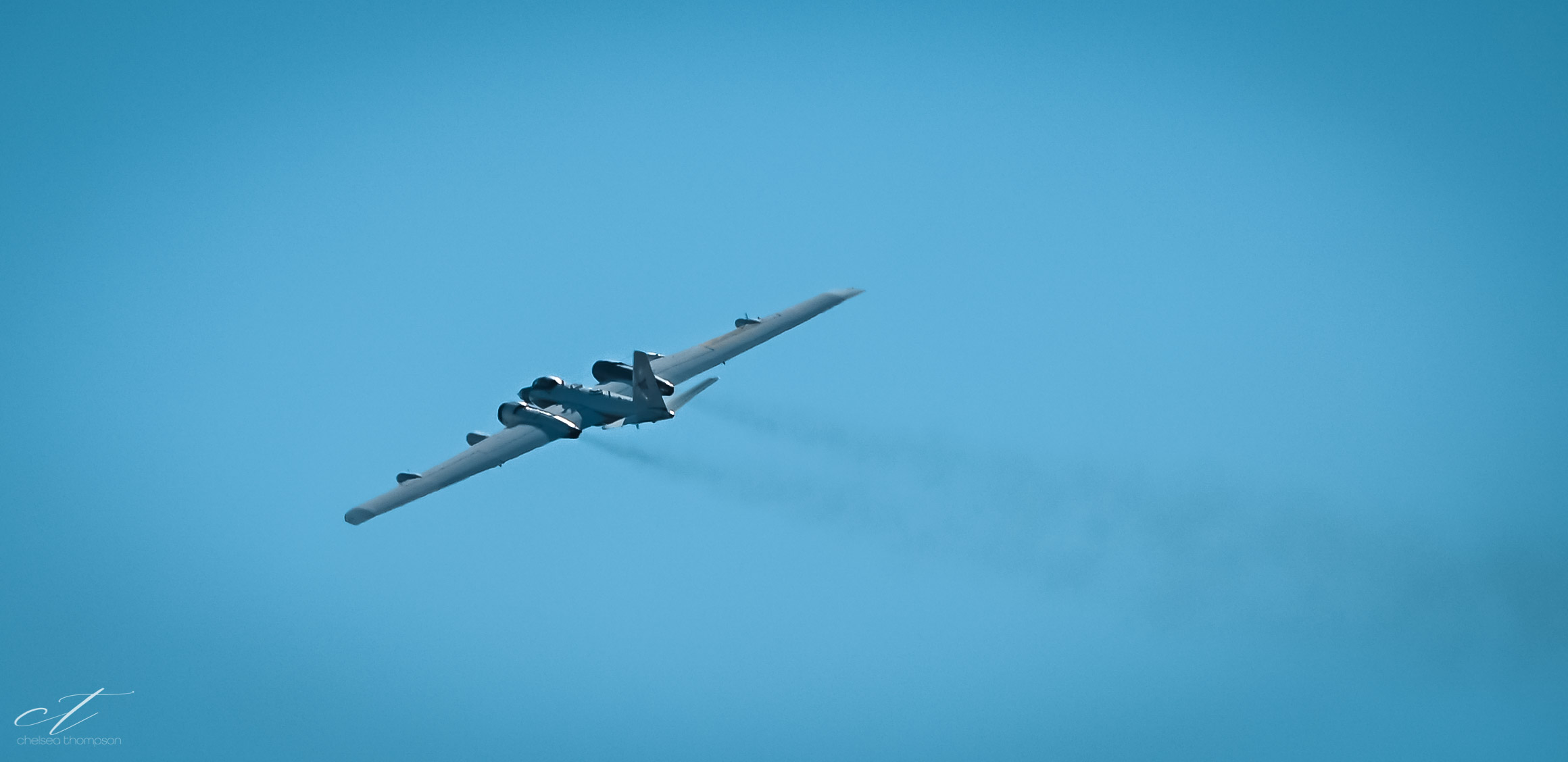
Packed with sensitive instruments, NASA's WB-57 takes off on a test flight from Ellington Field, in Houston, Texas on 11 February 2023. The mission team later moved to Eielson Air Force Base in Fairbanks, Alaska for research flights. Photo: Chelsea Thompson, NOAA
In situ measurements deep into the northern polar stratosphere are critical for understanding a range of stratospheric processes that play important roles in Earth's climate system, but are difficult to achieve due to the challenge of operating state of the art scientific instruments at stratospheric altitudes. The team spent years developing new, advanced instrumentation capable of making the necessary measurements in the challenging stratospheric environment and formulating the mission plan to achieve the science goals. Successfully accomplishing the mission required overcoming a range of technical, logistical and bureaucratic hurdles and working to integrate the instruments on a NASA WB-57F high altitude research aircraft and operate them under harsh conditions while deployed to Eielson AFB, Alaska in the winter.
These esteemed award recipients will be honored at the hybrid NOAA OAR Awards Ceremony held on 12 February 2026 from NOAA Oceanic and Atmospheric Research (OAR) Headquarters in Silver Spring, Maryland. CIRES award recipients will be recognized at the CIRES Rendezvous held on the University of Colorado Boulder campus in May 2026.